
Windshield Tinting: Is It Legal & Worth It?
When it comes to customizing your car, windshield tinting often tops the list for many vehicle owners. It's not just about improving the aesthetics; there are practical benefits too. Windshield tinting can transform a car's appearance, making it stand out while also offering functional advantages that enhance the driving experience. But before you head to the nearest tint shop, it's crucial to understand the legal implications and whether it's worth the investment. A misstep in this area can lead to legal troubles and unexpected costs, underscoring the importance of informed decision-making.
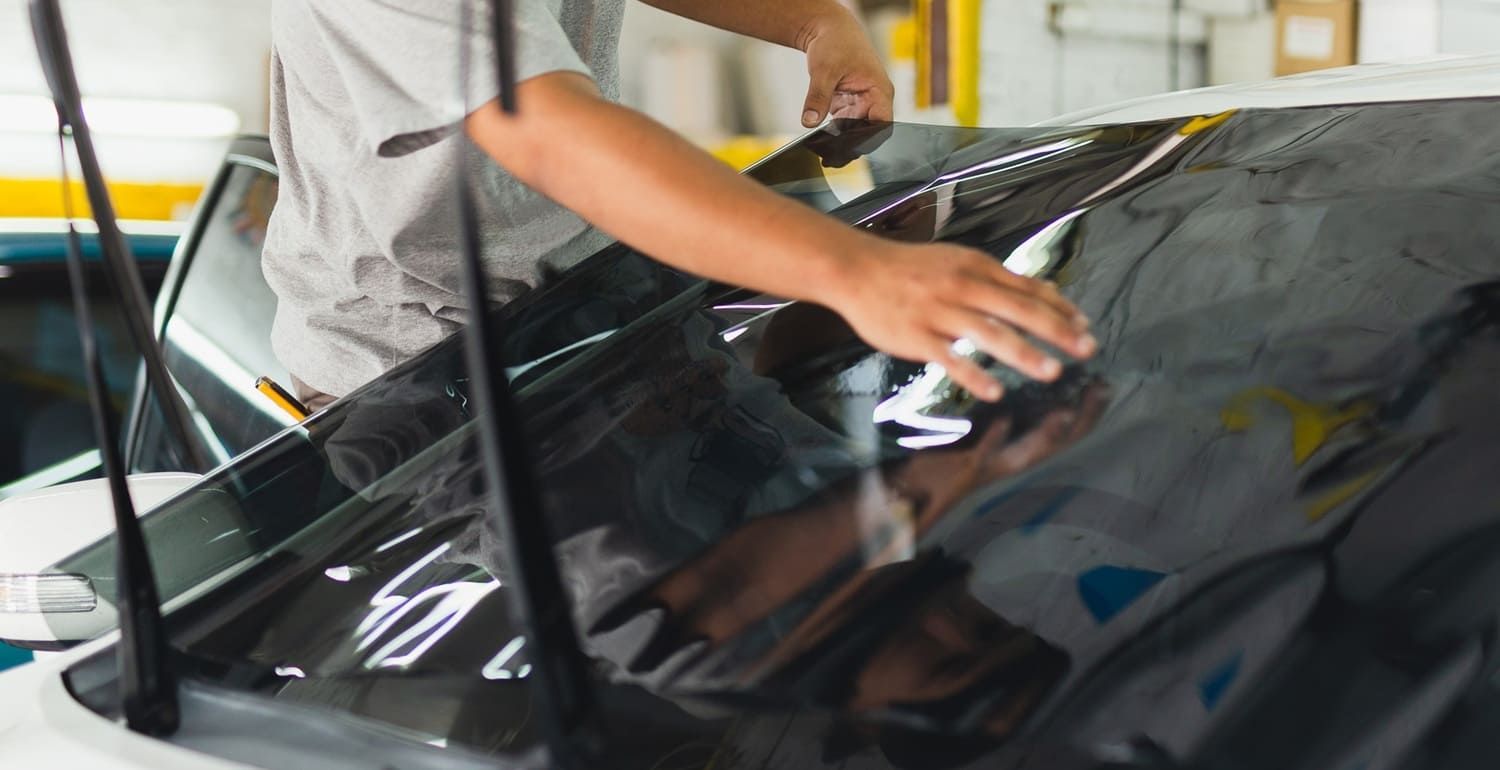
Windshield tinting involves applying a thin laminate film to the glass surface. This film can reduce glare, block harmful UV rays, and provide some level of privacy. The technology behind these films has advanced significantly, with modern options offering superior clarity and longevity compared to earlier versions. However, the degree of tinting can vary, and it's essential to know what's permissible in your state. Each state has its own set of rules regarding the visible light transmission (VLT) levels, making it vital for car owners to be aware of local regulations to avoid penalties.
Benefits of Windshield Tinting
There are several advantages to tinting your windshield:
- UV Protection: Quality tints can block up to 99% of harmful ultraviolet rays, protecting your skin and the car's interior. This protection helps in preserving the car's upholstery, dashboard, and other interior elements from fading and cracking. Over time, this can maintain the resale value of your vehicle by keeping the interior in top condition.
- Reduced Glare: Tinted windows reduce glare from the sun and headlights, which can enhance driving safety. This can be particularly beneficial during dawn and dusk when the sun's angle can be most glaring, or at night when facing the blinding lights of oncoming traffic. Reduced glare not only improves visibility but also reduces eye strain, making long drives more comfortable.
- Improved Privacy: While the windshield itself usually requires a lighter tint, the overall effect can increase the privacy for vehicle occupants. This added privacy can deter potential thieves, as it becomes harder for them to see valuables inside the vehicle. Privacy tints are especially popular among those who travel with expensive equipment or personal belongings.
- Temperature Control: Tinting helps in keeping your car cooler during hot weather, which can reduce the need for air conditioning and save fuel. This not only enhances comfort but also contributes to fuel efficiency and reduces the environmental impact by lowering the car's carbon footprint. In colder climates, certain types of tints can also help in retaining heat, making them versatile across various weather conditions.
Is Windshield Tinting Legal?
The legality of windshield tinting varies significantly from one state to another. Many states have specific laws detailing the permissible level of tinting for both the windshield and other windows. These regulations are in place to ensure that drivers maintain adequate visibility, which is crucial for road safety. Violating these laws can result in fines, failed vehicle inspections, or even mandatory removal of the tint, making compliance essential for responsible car ownership.
General Windshield Tint Laws
Most states have stringent regulations for windshield tinting compared to other windows. Typically, only the top few inches of the windshield (often referred to as the "AS-1 line") can be tinted. This strip is designed to reduce sun glare without obstructing the driver's line of sight. The rest of the windshield usually must allow a high percentage of light to pass through, ensuring clear visibility for the driver. These laws are often enforced through periodic vehicle inspections and traffic stops, where non-compliance can lead to fines and mandatory removal of the tint.
Specific State Laws
Tennessee Window Tint Laws 2025
In Tennessee, as of 2025, the law states that windshields can only have a non-reflective tint on the top five inches. The front side windows must allow more than 35% of light in, while the back side and rear windows can have any darkness. It's crucial to comply with these regulations to avoid fines or penalties. Compliance not only saves you from legal troubles but also ensures that your vehicle remains insured, as some insurance policies may void coverage if illegal modifications are made.
Other States
While Tennessee has specific guidelines, other states have their own set of rules. For instance, some states allow a lower percentage of light transmission, while others might have stricter regulations. States like California and New York have particularly stringent laws regarding tint darkness and reflectivity. Always check local laws before proceeding with tinting, as ignorance is not a viable defense in legal matters. It's advisable to consult with a professional installer who is familiar with state laws to ensure compliance.
Choosing the Right Tint
When selecting a tint, consider both legal requirements and your personal needs. Brands like Llumar offer a range of auto window tinting options that comply with legal standards while providing the desired benefits. The right tint can enhance your vehicle's aesthetics and functionality, but choosing the wrong one can result in legal issues and diminished performance.
Factors to Consider
- Compliance: Ensure the tint you choose meets your state's legal requirements. Consulting with a professional installer can help you navigate these regulations effectively. They can also provide documentation that can be helpful if you are questioned by law enforcement.
- Quality: Opt for high-quality films that offer UV protection and durability. High-quality tints are less likely to fade or bubble over time, maintaining their appearance and effectiveness for years. Investing in quality materials can save money in the long run by reducing the need for replacements.
- Professional Installation: A professional installation ensures that the tint is applied correctly and reduces the risk of bubbles or peeling. Professional installers have the tools and expertise to handle complex curves and edges that can be challenging for amateurs. This not only enhances the appearance but also ensures the longevity and performance of the tint.
Popular Brands
Llumar Auto Window Tinting is renowned for its quality and performance. Their films are designed to provide superior UV protection, enhance comfort, and improve the look of your vehicle. Choosing a reputable brand can make a significant difference in the effectiveness and longevity of your tint. Other brands like 3M and SunTek also offer high-quality options that cater to various preferences and budgets.
Weighing the Pros and Cons
Before deciding on windshield tinting, weigh the benefits against the potential drawbacks. This helps in making an informed decision that aligns with your needs and legal obligations.
Pros
- Increased comfort and reduced glare. Tints create a more pleasant driving environment by mitigating harsh sunlight and oncoming headlights.
- Protection from UV damage. By blocking harmful rays, tints preserve both your health and your vehicle's interior.
- Enhanced vehicle aesthetics. Tints can give your car a sleek, modern look that distinguishes it from others on the road.
Cons
- Potential legal issues if not compliant. Non-compliance can lead to fines, removal orders, and even affect insurance coverage.
- Reduced visibility in poor weather conditions. In fog, rain, or at night, dark tints can make it harder to see, which may compromise safety.
- Initial cost of installation. While the upfront cost can be significant, it's important to consider the long-term benefits and savings on energy and maintenance.
Conclusion: Is It Worth It?
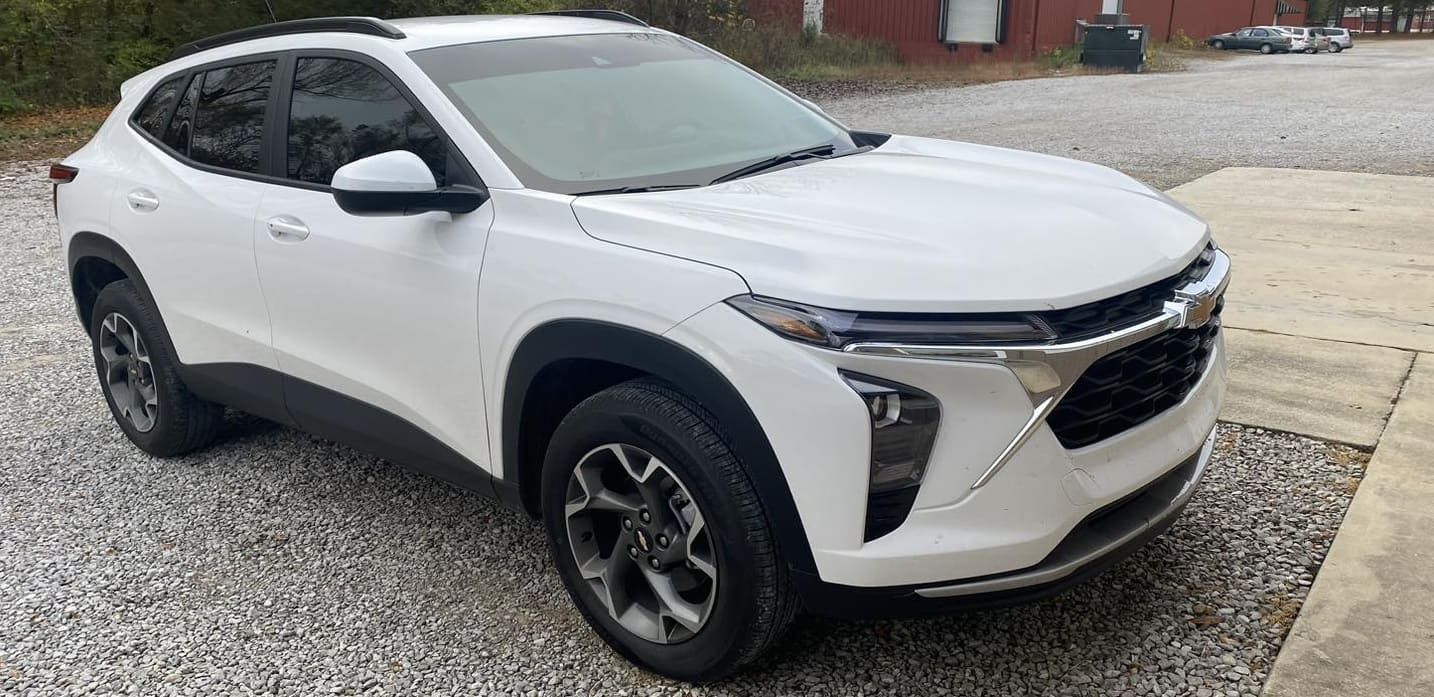
Windshield tinting can be a valuable upgrade for your vehicle when done legally and professionally. At Cookeville Window Tint, a Trusted LLumar SelectPro Dealer and premier car window tinting installer near you serving Cookeville, TN, we help drivers enhance comfort, improve UV protection, and maintain compliance with Tennessee tint laws.
A properly applied windshield tint can reduce glare, protect your interior from harmful UV rays, and make driving more comfortable year-round. However, it’s essential to understand and follow local regulations to avoid fines and ensure visibility and safety on the road.
If you’re considering windshield tinting, take time to research your state’s legal limits and consult with professionals like Cookeville Window Tint to choose the right LLumar film for your needs. Our expert installers ensure a flawless, legal application that balances performance, protection, and peace of mind.
Contact Cookeville Window Tint in Cookeville, TN today for your free estimate and discover why local drivers trust our LLumar SelectPro-certified team for top-quality windshield and car window tinting that meets all safety and legal standards.