Can Windshield Tint Affect ADAS Cameras and Lane Assist?
Advanced Driver Assistance Systems, often called ADAS, are now standard or widely available on many vehicles driven in Cookeville, TN and throughout the Upper Cumberland. Lane keeping assist, forward collision warning, automatic emergency braking, and adaptive cruise control rely on cameras and sensors that are calibrated to “see” through your windshield with consistent clarity. That is why drivers often ask whether
windshield tint could create problems such as lane drift alerts that trigger too often, reduced camera visibility in rain or glare, or warning lights after installation. The concern is understandable because older metallic films and low quality films could introduce reflectivity, haze, or distortion that impacts how light reaches the camera. The good news is that modern ceramic film technology is designed to maintain high optical clarity and strong heat rejection without the metallic layers that can cause interference. When the correct film is selected and professionally installed with attention to sensor zones and
Tennessee law, windshield tint can often be done safely and predictably.
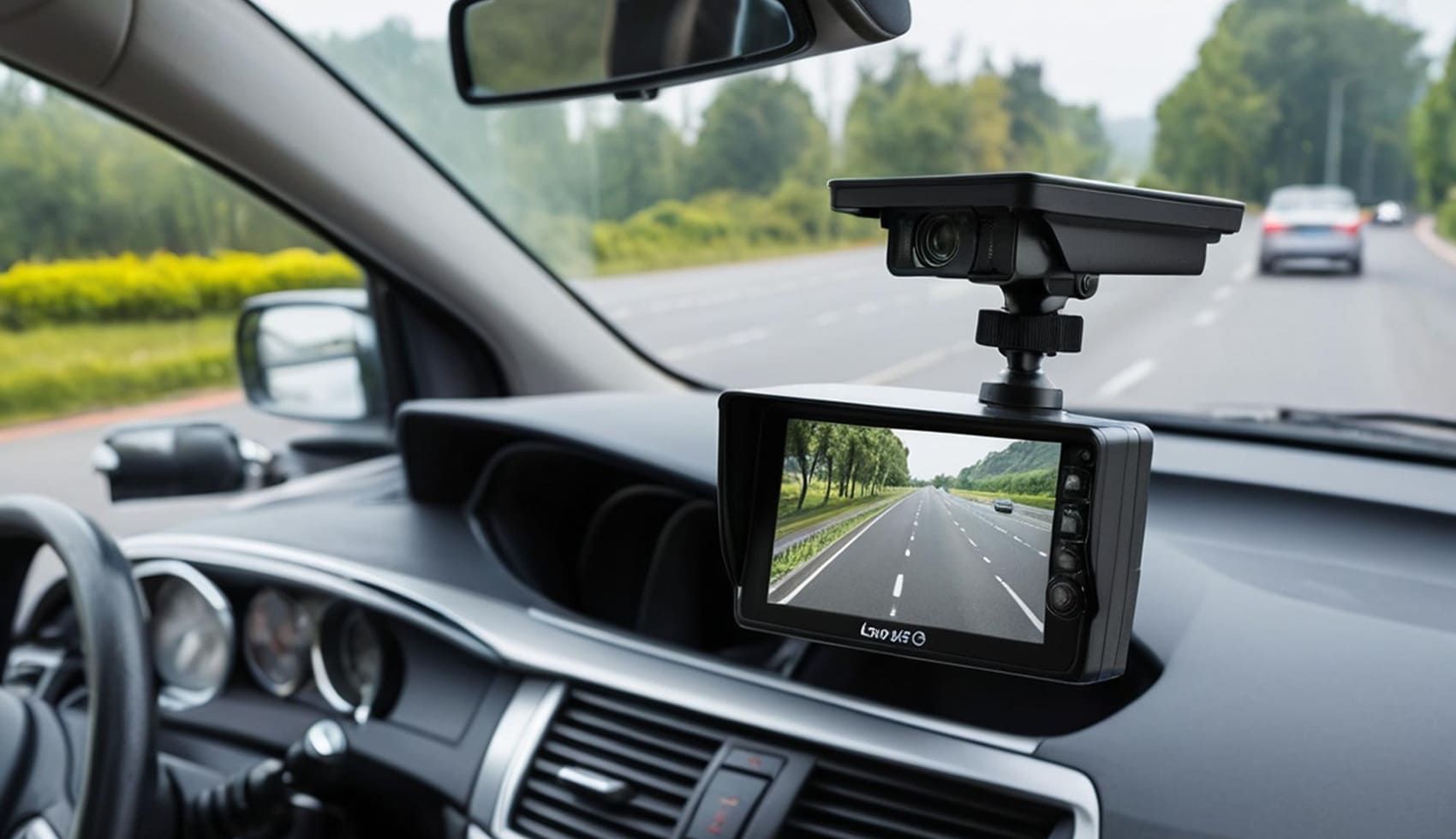
Table of Contents
- How ADAS cameras and lane assist work through glass
- Why metallic films caused issues in the past
- Dyed vs carbon vs metallic vs ceramic tint differences
- How ceramic windshield tint maintains clarity
- Tennessee windshield tint laws and compliance
- Calibration after windshield or tint work
- Why professional installation is critical for ADAS
- FAQ
1) How ADAS cameras and lane assist systems function through the windshield
To understand windshield tint ADAS interference , start with how the system is built. Most lane keeping assist and forward collision warning features depend on a forward facing camera mounted high on the windshield, usually near the rearview mirror. Some vehicles also use radar or lidar, but even when radar is present, the camera is still central for lane markings, traffic signs, headlights, and object classification.
What the camera is doing in real time
- Lane detection : Identifies lane lines, road edges, and sometimes temporary markings in construction zones.
- Object detection : Helps distinguish vehicles, bicycles, pedestrians, and obstacles.
- Contrast management : Adjusts to bright sun, glare, shadows, and nighttime headlight conditions.
- Distance and closing speed support : Works with radar data or visual cues for features like forward collision warning and adaptive cruise control.
Why the windshield matters
The camera is looking through multiple layers: the windshield glass itself, the factory frit (the black dotted border), and sometimes an optical “window” inside the camera housing. When anything changes how light passes through that area, the camera can be affected. The most common tint related risk is not that tint “blocks” the camera. The real risk is added haze , distortion , or reflectivity , especially at night or during rain, which can reduce the camera’s ability to interpret lane lines or object edges consistently.
Common symptoms drivers worry about
- Lane keeping assist feels inconsistent in bright sun or dusk.
- Forward collision warning seems overly sensitive in certain lighting.
- Camera calibration warnings appear after windshield replacement or related work.
- Head up display or camera based features look slightly hazy.
These concerns are exactly why film choice and installation quality matter. When someone searches
lane assist
window tint, they are usually looking for reassurance that modern film can be compatible when it is high clarity and installed correctly.
2) Why metallic window tint films historically caused interference issues
Not all tint is the same. Historically, some metallic or metalized films used thin metal layers to reflect heat. That approach can be effective for heat control, but it can also introduce undesirable optical and electronic side effects, depending on the product and the vehicle.
Two ways metallic films can create problems
- Optical reflectivity : A more reflective film can increase internal reflections, especially at night when headlights shine into the cabin. That can reduce contrast for a forward camera.
- Signal interference potential : Metallic layers can affect certain RF signals. This is more commonly discussed for GPS, cellular, and keyless entry, but it is a reason many modern drivers prefer non metallic film. For ADAS cameras, optical clarity is usually the bigger factor.
If you have heard stories that “tint breaks lane assist,” many of those stories trace back to older film types, low quality film optics, or improper placement in the camera viewing area. Modern high clarity ceramic windshield tint is designed to avoid metallic layers and to prioritize clean optics.
3) Dyed vs carbon vs metallic vs ceramic tint technologies
Drivers in Cookeville often compare film types by shade. For ADAS compatibility, the better comparison is by material and optical quality. Below is an easy “at a glance” comparison you can share with anyone researching ceramic windshield tint clarity .
Film type comparison (quick reference)
| Film Type | ADAS Clarity | Heat Rejection | Signal Friendly | Typical Use |
|---|---|---|---|---|
| Dyed | Medium | Low to Medium | Yes | Entry level |
| Carbon | Medium to High | Medium | Yes | Mid range performance |
| Metallic | Variable | Medium to High | Variable | Older style heat reflecting film |
| Ceramic | High | High | Yes | Premium performance and clarity |
What matters most for ADAS equipped vehicles
- Optical clarity : Low haze and minimal distortion across curved glass.
- Low internal reflectivity : Reduces ghosting, glare, and nighttime reflection issues.
- Consistent manufacturing quality : Important for uniform appearance and predictable performance.
Cookeville Window Tint installs LLumar FormulaOne window tint options that are engineered for premium heat rejection and UV protection while maintaining the clarity drivers expect in ADAS equipped vehicles. If your priority is lane assist reliability, a high clarity ceramic film is usually the safest category to focus on.
4) How high clarity ceramic windshield tint maintains camera performance
High clarity
ceramic film uses non metallic technology to manage heat, UV, and glare while preserving transparency. For ADAS, this is the category most associated with reliable results when installed correctly.
Why ceramic film is ADAS friendly
- Non metallic construction : Helps avoid reflectivity and signal issues linked to older metalized films.
- Lower haze potential : Premium ceramic films are designed for clean optics that support camera contrast.
- Infrared heat rejection : Reduces solar heat load without relying on reflective metal layers.
- UV protection : Helps protect skin and interior materials, especially during long commutes or highway driving.
Practical installation best practices for ADAS cameras
- Respect the camera viewing zone : Many vehicles have a defined area near the mirror where the camera sees through a specific part of the windshield. A professional installer will evaluate that area before applying film.
- Use a film known for windshield clarity : Not every film line is optimized for windshields. Ask for a high clarity ceramic option.
- Avoid excess moisture near electronics : Skilled installers use controlled techniques to reduce risk around the camera housing.
If your main concern is windshield tint ADAS interference , it is smart to pick a premium ceramic film and work with a shop experienced with ADAS equipped vehicles. Cookeville Window Tint can help you select a shade that provides comfort while keeping visibility and camera performance front and center.
5) Tennessee windshield tint laws and compliance considerations
Legal compliance is a major part of choosing windshield tint in Tennessee. The windshield rules are stricter than the side window rules, and many drivers want clarity on what is permitted before scheduling an appointment.
Windshield tint rule in Tennessee
- Tennessee allows non reflective tint on the windshield only above the manufacturer’s AS-1 line .
- If the windshield does not have an AS-1 line, Tennessee permits non reflective tint on the top 5 inches of the windshield.
Side and rear window limits (common reference for overall compliance)
- Front side windows : minimum 35% VLT, with reflectivity not more than 35%.
- Rear side and back glass : minimum 35% VLT, with reflectivity not more than 35%.
Why this matters for ADAS vehicles
Many ADAS camera modules sit high on the windshield near the mirror. Tint that is placed too low, too dark, or too reflective can introduce both legal risk and performance risk. A compliant, non reflective approach that respects the AS-1 line is typically the best starting point for safety focused drivers.
Cookeville Window Tint serves
Cookeville, TN and surrounding areas and can help you match your comfort goals with legal limits. If you are searching
Cookeville TN window tint options for a windshield, start with a consultation so the installation plan is both compliant and ADAS aware.
6) Calibration considerations after windshield replacement or tint installation
Drivers often ask if recalibration is required after tinting. The most important distinction is between windshield replacement and tint installation .
When recalibration is commonly required
- After windshield replacement : Many vehicles require camera recalibration because the camera alignment relative to the glass can change.
- After camera module removal or disturbance : If the camera housing is moved, recalibration may be needed.
When recalibration is less common
- Routine tint installation : If the camera is not moved and the film is high clarity and correctly installed, recalibration is not always required.
Smart steps for peace of mind
- Before tinting, confirm whether your vehicle has a windshield camera and what features it supports.
- After tinting, pay attention to warning lights or messages related to lane keeping assist or forward collision warning.
- If anything changes, schedule an inspection with the appropriate service provider to confirm calibration status.
This is another reason professional installation matters. An ADAS aware shop will take steps to minimize risk around camera modules and will help you understand what to monitor after installation.
7) Why professional installation is critical for ADAS equipped vehicles
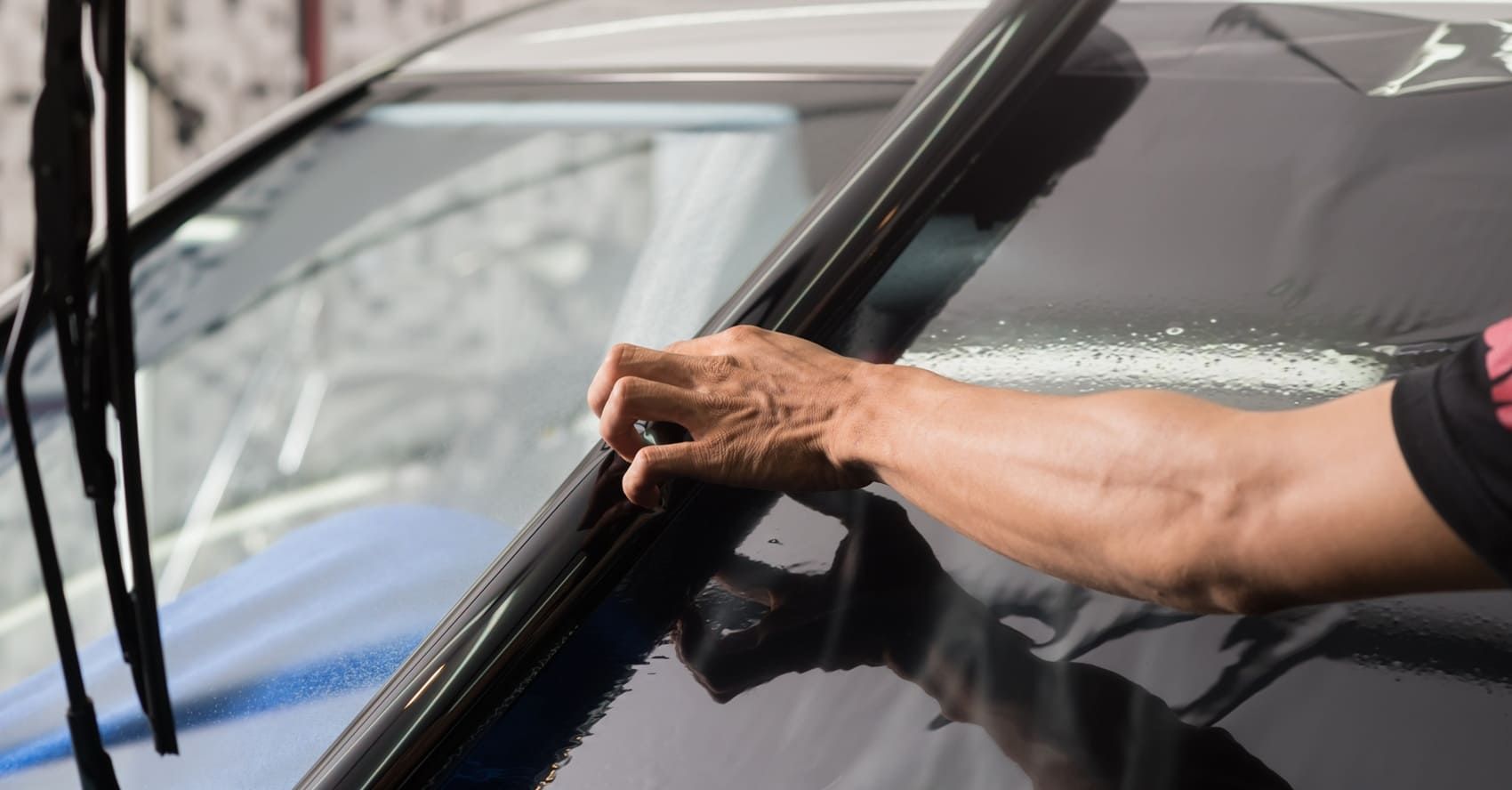
Windshield tint is one of the most technically sensitive film installations on a modern vehicle, especially when the car uses ADAS cameras for lane assist and forward collision warning. It is not just about applying film smoothly. It is about protecting clarity, electronics, and compliance.
What professional installation protects
- Optical performance : Minimizes haze, contamination, and distortion that could affect camera contrast.
- Proper placement : Keeps film in legal areas and avoids unnecessary coverage in sensitive zones.
- Material selection : Ensures a high clarity ceramic option is used when ADAS compatibility is the priority.
- Documentation and warranty confidence : Helps ensure you receive product and installation support aligned with the film you choose.
Cookeville Window Tint installs
LLumar FormulaOne Auto Window Tinting products engineered to deliver advanced heat rejection and UV protection while maintaining compatibility with modern safety systems. If you are researching windshield tint ADAS interference or want the safest way to add comfort to an ADAS equipped vehicle, choosing a premium ceramic film and a professional installer is the most reliable path.
FAQ: Windshield tint and ADAS in Cookeville, TN
Can windshield tint block ADAS cameras?
High quality tint does not usually “block” the camera, but low clarity or reflective film can reduce contrast and accuracy. Choosing a high clarity ceramic film reduces risk.
Can lane assist stop working after windshield tint?
Most vehicles function normally with the right film and professional installation. Issues are more likely from improper placement, haze, or using a reflective film.
Is recalibration required after tint installation?
Recalibration is most common after windshield replacement or camera disturbance. Routine tint installation does not always require recalibration, but monitor for warnings.
What about adaptive cruise control and forward collision warning?
Those features can rely on camera input and sometimes radar. Maintaining optical clarity on the windshield supports camera based performance.
Is ceramic windshield tint safer for ADAS than metallic tint?
Yes, ceramic film is non metallic and is typically the best choice for ADAS compatibility and clarity.
Does windshield tint affect Tesla or other brands?
ADAS systems vary by brand, including Tesla and many mainstream manufacturers. The same rule applies: use high clarity film and avoid anything reflective in the camera viewing area.
What are Tennessee legal limits for windshield tint?
In Tennessee, non reflective tint is allowed only above the AS-1 line, or on the top 5 inches if there is no AS-1 line. A local shop can confirm your windshield markings.
Can tint void my vehicle warranty?
Policies vary by manufacturer. Using a reputable product and professional installation helps reduce risk and supports documentation if questions arise.
What is the best tint shade for ADAS equipped vehicles?
The safest approach is to prioritize clarity and compliance. Many drivers choose lighter, high clarity ceramic options for windshields to reduce heat without reducing visibility.
What should I do if I see a camera warning light after tint?
Contact your installer and your vehicle service provider. The issue may be unrelated, but it should be evaluated quickly to ensure lane assist and collision features operate correctly.
Conclusion and next steps for Cookeville drivers
So,
can windshield tint affect ADAS cameras and lane assist ? It can, but the outcome depends on film type, optical clarity, placement, and installation quality. Metallic and reflective films have historically carried higher risk, while modern ceramic film technology is designed to deliver heat rejection and UV protection with the clarity ADAS cameras need. Staying within Tennessee windshield
tint laws and using an ADAS aware installation approach are the keys to avoiding problems.
If you want comfort without compromising safety features,
contact Cookeville Window Tint in
Cookeville, TN. Our team installs LLumar FormulaOne window tint products engineered for advanced heat rejection and excellent clarity, with an installation process designed to support modern vehicle safety systems. Reach out today to get a
free estimate for safe and compliant windshield tint solutions.